

How we help kids learn and develop
Development-aligned curriculum and activities for every child's level and abilities
Our process provides hands-on interactive programs that ignite your child’s creativity and imagination to develop essential skills for success, both in school and throughout life.
Skills
Communication, Creativity, Reasoning, and Problem-Solving
Self-Development
A Positive Self-Concept, A Natural Curiosity, Value System, Self\Esteem, Motor Coordination, and Sensory Awareness
Activities
Working and Playing, Developing Listening Skills, Recognizing Shapes and Colors, Developing Eye and Hand Coordination, Art and Music Appreciation, Reading and Math Skills, Science and History Skills, and Environmental Awareness
Awareness and Acceptance
Culturally, Physically, and Emotionally
our exclusive in-house system
Here, our Active Kidz learning system means children laugh, explore, and play their way to enhancing their physical, social-emotional, mental, and cognitive growth.
Here are several of the principal systems we use as part of our program.
Abeka
Inspired Teachers
Montessori
Montessori involves
we meet kids where they are.
Homework

We provide the time, the place, and the assistance to ensure your child completes their homework completely and correctly
Specially Designed Homework Logs & Forms help to track your child’s homework progress
Literacy and Mathematics
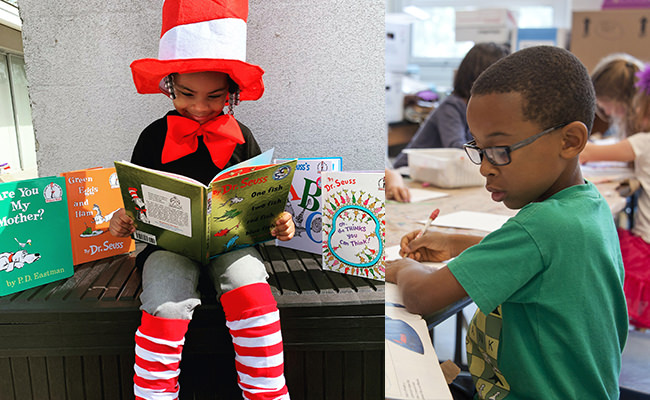
Readers Theatre
Book Club
Creative Writing & Journalism
Math, Science and Technology
Life Skills
Anti-Bullying
Cooking classes
Community Service Projects
Enrichment: Cultural Arts & Special Events
Musicians, Dancing and More
Special Talents programs
Field Trips on all No-School days
We Do
- Communicate to children using positive statements.
- Communicate with children on their level.
- Explain unacceptable behavior to children.
- Give attention to children for positive behavior.
- Praise and encourage the children.
- Reason with and set limits for the children.
- Apply rules consistently.
- Model appropriate behavior.
- Set up the classroom environment to prevent problems.
- Provide alternatives and redirect children to an acceptable activity.
- Give children opportunities to make choices and solve problems.
- Help children talk out problems and think of solutions.
- Listen to children and respect the children’s needs, desires and feelings.
- Provide appropriate words to help solve conflicts.
- Use storybooks and discussions to work through common conflicts.
What about disciplinary issues?
Conferences will be scheduled with parents if disciplinary problems occur. If a child’s behavior consistently endangers the safety of the children around him/her, then the Director has the right, after meeting with the parents and documenting behavior problems and interventions, to terminate childcare services for that child.
We DO NOT
- Inflict corporal punishment in any manner upon a child. (Corporal punishment is defined as the use of physical force to the body as a disciplinary measure. Physical force to the body includes, but is not limited to, spanking, hitting, shaking, biting, pinching, pushing, pulling, or slapping.)
- Use any strategy that hurts, shames, or belittles a child.
- Use any strategy that threatens, intimidates, or forces a child.
- Use food as a form of reward or punishment.
- Use or withhold physical activity such as outdoor/indoor play will not be used as a punishment.
- Shame or punish a child if a bathroom accident occurs.
- Embarrass any child in front of others.
- Compare children.
- Place children in a locked and/or dark room.
- Leave any child alone, unattended or without supervision.
- Allow discipline of a child by other children.
- Criticize, make fun of, or otherwise belittle a child’s parents, families, or ethnic groups.